

The Ultimate Trade Show Marketing Playbook
Trade show marketing is evolving fast: Attendees come in with higher expectations, brands’ budgets are tighter, and competition is rising across every sector — especially for brands in the building materials industry. To win in 2026, brands need a strategy that blends human connection, strong content, digital integration, and thoughtful follow-up.
At True, we work closely with marketing and sales teams across the building products and manufacturing industries, helping them navigate what works and what no longer resonates. Here are our expert insights on how to prepare for a trade show and build a presence that stands out.
What to Expect in the 2026 Trade Show Season
While the industry loves to talk about emerging technologies, the most influential trade show trends of 2026 center around something much simpler: clarity and relevance.
One of the strongest shifts is toward experiences that help buyers visualize real-world applications. Hands-on demonstrations, material comparisons, and small-scale installation mockups resonate far more than complex digital activations. People want to see, touch, and understand – and they want sales conversations rooted in their actual pain points.
Digital tools are still playing a supporting role, but they’re being used more strategically. Simple QR-code resources, short product videos, and touchscreens that help visitors navigate product categories are enhancing user experience without overwhelming it. They reduce friction rather than create it.
Lastly, there’s the focus on brand sustainability. It remains a leading priority for many buyers, but its meaning varies widely. For some, sustainability means lifecycle performance; for others, recyclability, installation efficiency, or carbon footprint. The brands distinguishing themselves are tailoring sustainability messaging to the specific audiences they serve, rather than presenting a one-size-fits-all narrative.
How to Prepare for a Trade Show in 2026
The most successful brands don’t confuse trade show planning with booth design. While the booth is the most visible element, it’s only one part of a much larger strategy. In reality, a show’s effectiveness is determined long before the booth is built.
Strong trade show planning aligns strategy, messaging, content, sales readiness, and measurement well ahead of the event. When brands treat a show as a coordinated campaign rather than a standalone display, they create more meaningful engagement on the floor and stronger results after the show.
Strategic Planning
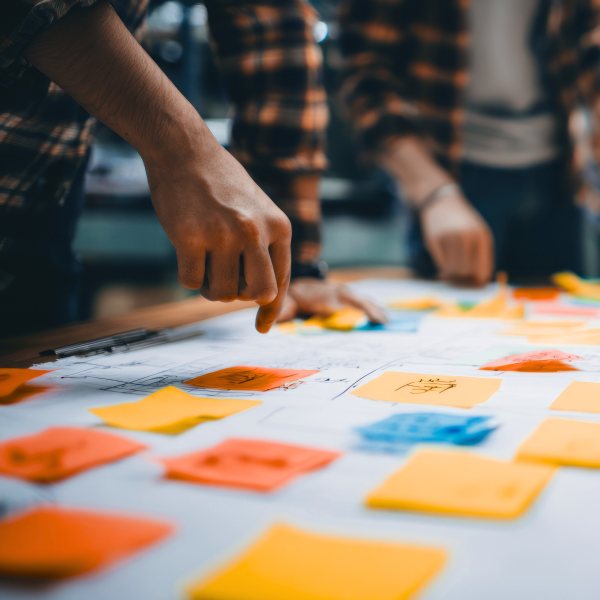
Strategic planning typically begins six to twelve months out, when teams confirm which shows matter most and why. This is when audience segments are defined, KPIs are established, and marketing and sales align on what success means.
This is also when you begin to strategize what a strong trade show experience looks like. Think about what you want your visitors to think, feel, and do at each touchpoint. And think about what it is going to take for your team to bring the experience to life at the booth.
Experience Building
Around 6 months from the show, experience development begins. Booth layouts take shape, product stories are defined, and digital resources are created to support on-floor conversations. This is when teams shape the brand narrative they want attendees to walk away with – a crucial step in how to prepare for a trade show with impact.
How to Build Experiences Your Audience Really Wants
Trade show attendees move quickly through the show floor, often making split-second decisions about where to stop. They gravitate towards booths that feel intuitive and relevant – places where they can understand what a product does and how it solves their challenges.
That’s why the strongest booths are simplifying, not complicating. They’re designing experiences rooted in real customer needs: clear product pathways, tailored conversations, solutions-oriented messaging, hands-on demos, and displays that help visitors picture the product in their own world. This is the foundation of effective trade show marketing, and it’s where meaningful conversations begin.
Aligning Sales & Marketing
Trade show success is often determined before a single attendee walks by the booth. When sales and marketing align early with shared messaging and clear goals, conversations feel more natural.
Brands are preparing staff more intentionally. Instead of relying on generic talking points, they’re equipping teams with questions that uncover real pain points: what attendees have seen, what challenges brought them to the show, or what gaps they’re trying to fill.
Start the conversation with a question that attendees can easily answer. For example, instead of asking, ‘How can I help you?’ try ‘What brings you to the show?’ This gives attendees clear direction and makes it easier to kick off an ongoing conversation. This approach transforms simple interactions into meaningful, memorable exchanges that continue after the event.
Using AI to Strengthen Visibility
Even the strongest strategies won’t perform if your audience never sees it. That’s where True’s AI Visibility service becomes a major advantage for brands planning their trade show marketing in 2026.
AI Visibility uses advanced audience intelligence to identify exactly who is searching for solutions like yours – long before they ever walk onto the show floor. It pinpoints what specific topics, product attributes, or pain points those audiences are researching, so your pre-show content and promotion become more effective.
During the show, AI Visibility can help track which topics are gaining momentum, allowing your team to quickly adjust messaging or highlight the most relevant solutions. Post-show, those same insights guide follow-ups, helping you identify which contacts are still researching, which are cooling off, and which are ready for a deeper conversation.
In an environment where attention is fragmented and competition is fierce, integrating AI-driven audience intelligence ensures your trade show investment works harder. It brings clarity to your content strategy, focus to your sales team, and measurable lift to your overall building industry trade show marketing performance.
Turning Post-Show Momentum into Real Results
While badge scans and swag distribution tell part of the story, the real success of a show unfolds afterward. Strong trade show marketing strategies view post-show follow-ups as a critical phase rather than an afterthought.
Brands that excel begin by segmenting new contacts based on what they needed on the floor. They send personalized follow-ups tied to the visitor’s pain points, not generic messaging. They share takeaways, videos, and thought leadership that extends the show experience.
Teams also report on performance, comparing outcomes to the KPIs defined months earlier and feeding insights into planning for next year. It’s a continuous cycle that gets more efficient with each iteration.
Let True Guide Your Trade Show Strategy
As you plan for 2026 and beyond, the biggest opportunity lies in doing what matters most. By focusing on audience clarity, cross-team alignment, and intentional experience design, you can build a trade show marketing strategy that delivers stronger conversations, stronger follow-ups, and stronger revenue outcomes.
If you want guidance in tightening your strategy or elevating your presence at your next event, our team is here to support you every step of the way.